
Masking Tape – Clean Lines and Residue-Free Results for Painting & DIY
Shop masking tape for painting, DIY and crafts. Clean removal, residue-free adhesives, multiple widths and paper grades for walls, trim, doors and delicate surfaces. Reliable hold, easy tear.
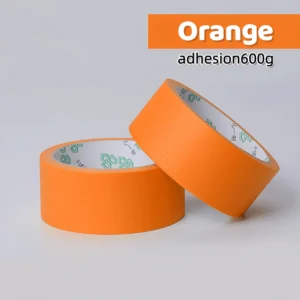
Colored masking tape High temperature resistant tape
Orange 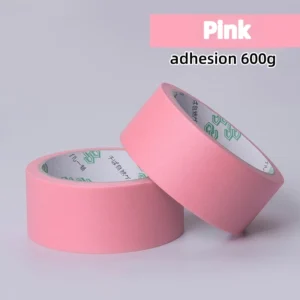 pink
pink 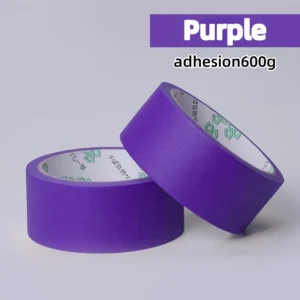 purple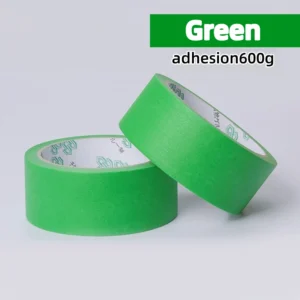
Colored masking tape High temperature resistant tape
Green 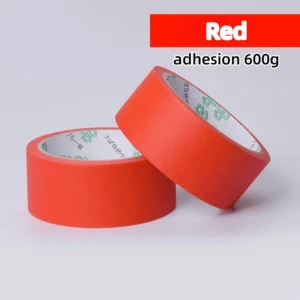 Red
Red 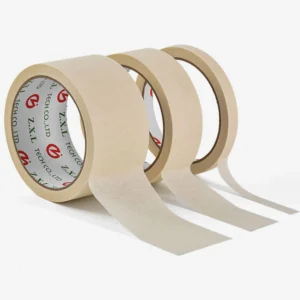
Easy-to-tear masking tape
Off-white 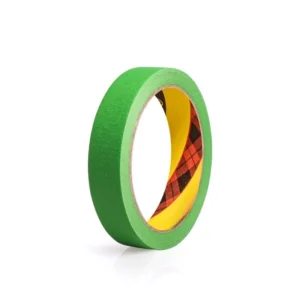
Colored masking tape paint masking easy tear tape
Dark Green 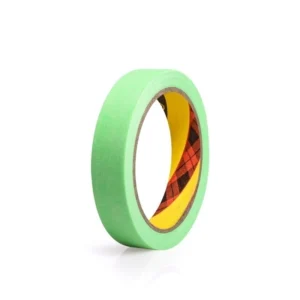 Fluorescent green
 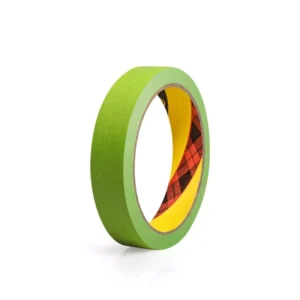 light green
 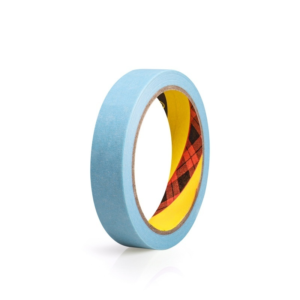 Sky Blue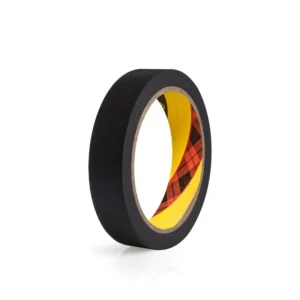
Colored masking tape paint masking easy tear tape
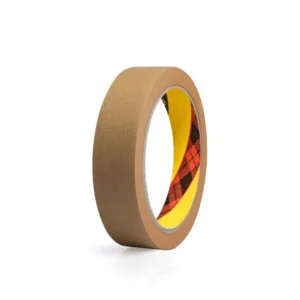 light brown
 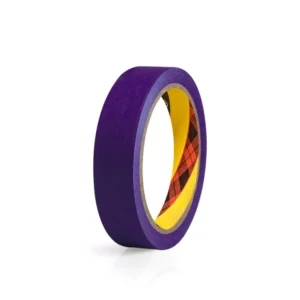 purple
 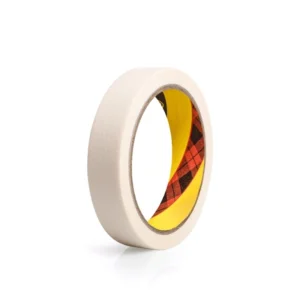 white
white 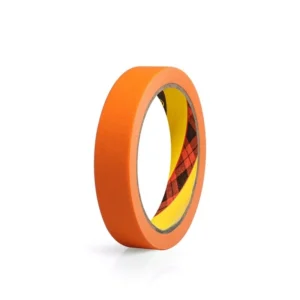
Colored masking tape paint masking easy tear tape
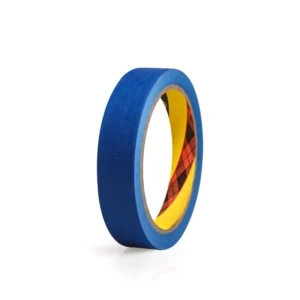 Dark blue
 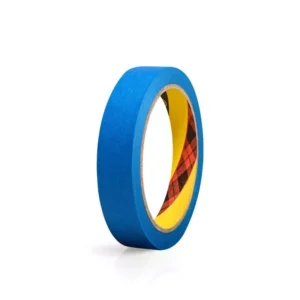 Light blue
Orange
Light blue
Orange  pink
pink 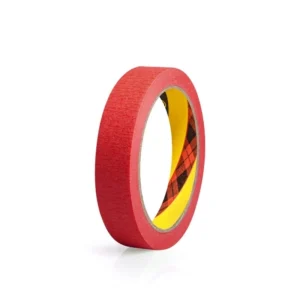 Red
Red Key Features of Masking Tape
Quality masking tape combines a pressure-sensitive adhesive tuned for clean removal, a flat crepe or washi paper backing that conforms around edges and corners, and controlled unwind for fast application. Options include general-purpose, delicate-surface, UV-resistant outdoor grades, low-tack tapes for fresh paint, and heat-resistant automotive masking for spray booths. Multiple widths and lengths let you tailor coverage from fine trim lines to wide area protection.
Common Uses and Applications
Use masking tape for interior wall and ceiling cut-ins, protecting baseboards and window/door trim, labeling containers, craft stenciling, light bundling, and holding drop cloths or paper sheeting in place. In shops and garages it’s ideal for masking off parts before painting, marking measurement guides and temporary fixes that won’t leave residue when removed on time.
How to Choose the Right Masking Tape
Match masking tape to surface and project: choose delicate-surface or washi for cured but sensitive paints and wallpapers; general-purpose for standard interior masking; UV-resistant for outdoor jobs or sun-exposed windows; and high-temp/automotive for spray finishing. Check the clean-removal window (e.g., 1–14 days), adhesion level (low/medium/high), paper grade (washi for razor-sharp lines), and width to fit the area you’re masking.
Application Tips for Crisp Lines
Clean and dry the surface, then press masking tape firmly with a plastic spreader or fingertip to seal the edge—especially along trim. Burnish lightly for sharp lines, paint away from the tape edge on first passes, and remove the tape at a 45° angle while the paint is tacky-dry (or per product instructions) to minimize lifting.
Care, Removal & Storage
Remove masking tape within the rated timeframe to avoid residue; if paint has fully cured, score along the edge with a sharp blade before peeling. Store rolls in a cool, dry place away from UV and heat, keep edges dust-free, and use older stock first to maintain consistent adhesion.
FAQ: Masking Tape Basics
Will masking tape damage paint? Use delicate-surface tape for sensitive finishes and remove within the clean-removal window. Why are my lines bleeding? Ensure firm edge sealing/burnishing and use washi-grade tape for ultra-sharp lines. Can I use masking tape outdoors? Yes—choose UV-resistant grades and follow temperature/use guidelines for reliable adhesion and removal.