
Fishing Knife – Clean Cuts, Safe Handling and Reliable Performance on the Water
Explore fishing knife options designed for filleting, bait prep and on-water utility. Flexible blades, non-slip grips, corrosion-resistant steels and protective sheaths—everything you need for clean, efficient fish processing.

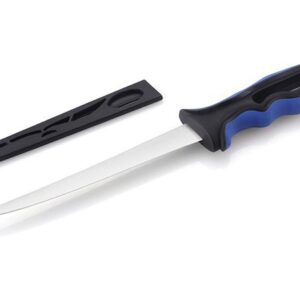
10 pcs paring knife set/Color Mix kitchen/camping/fish knife
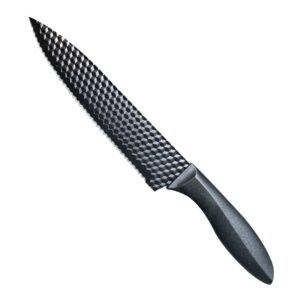
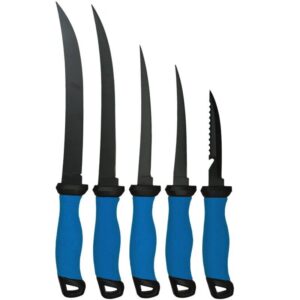
Customized Non-stick Coating Pp+tpr Soft Handle High Carbon Stainless Steel Cutting Fishing Knives Fish Fillet Knife
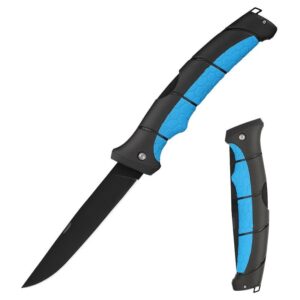
Stainless Steel Outdoor Folding Fishing Knife
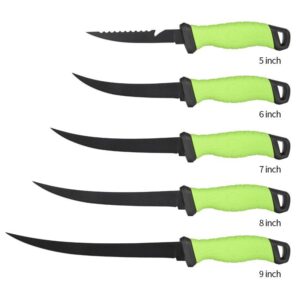
5/6/7/8/9 INCH Stainless Steel Plastic Fish Knife
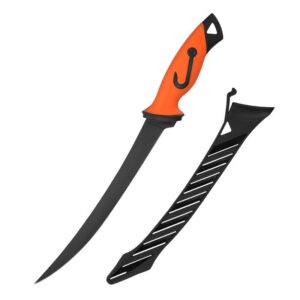
Stainless steel multi-function fishing knife
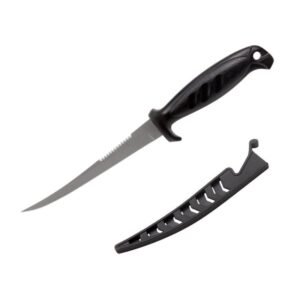
6 inch plastic handle fishing knifeife
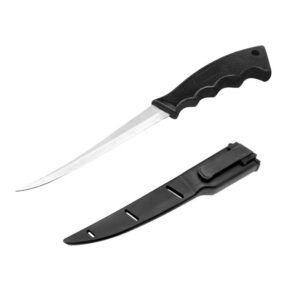

4 inch folding fishing knife
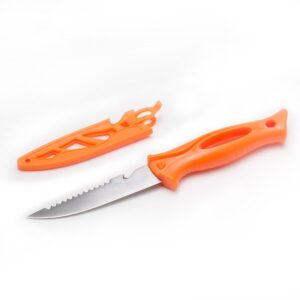
4-inch red stainless steel small fishing knife
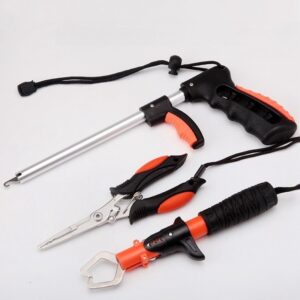
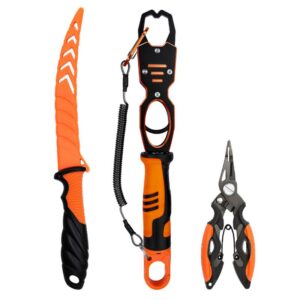
Fishing hook remover gun type fishing lure fish control device fishing supplies set
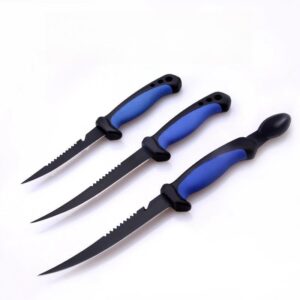
Stainless steel back tooth fish knife
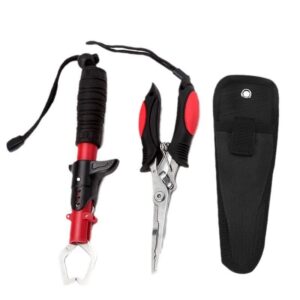
Multifunctional fishing pliers fishing gear set
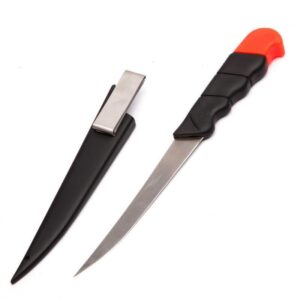
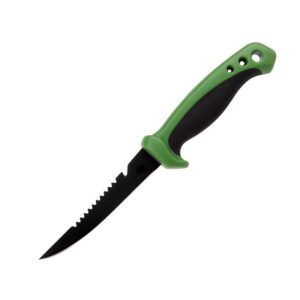
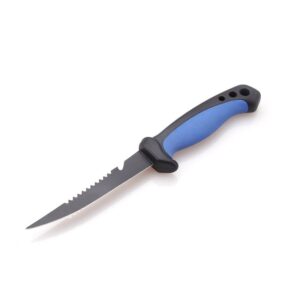
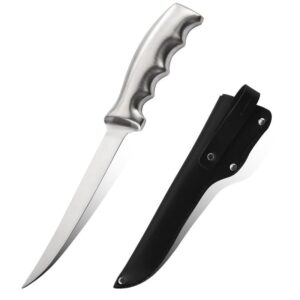

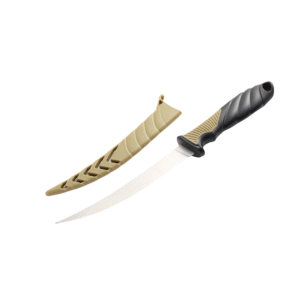
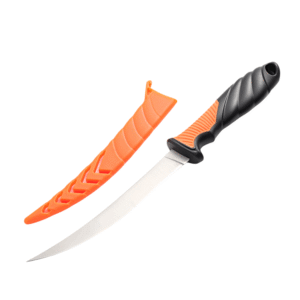
Key Features of a Fishing Knife
The best fishing knife combines a thin, flexible blade for smooth, controlled cuts; stainless or coated steel that resists rust in saltwater; a grippy, wet-hand-friendly handle (rubber, TPR or textured polymer) that reduces slips; a protective sheath with secure retention and drain holes; and easy-clean geometry with minimal crevices so scales and protein don’t build up. Many anglers choose 6–9 inch fillet blades for most species, shorter blades for panfish and bait, and longer, stiffer blades for large game fish.
Where a Fishing Knife Excels
Use a fishing knife for precise filleting at the dock, trimming rib bones and skin, portioning fillets for storage, cutting line and rope, shaping bait and handling quick camp chores like food prep or cordage work; on kayaks, boats and bankside stations the compact sheath carry keeps the knife accessible yet protected, and the flexible blade preserves meat yield by riding cleanly along the spine and rib cage.
How to Choose the Right Fishing Knife
Match your fishing knife to target species and environment: pick blade length and flex based on fish size and your preferred cutting style; choose steels with strong corrosion resistance (e.g., stainless with proper heat treat or protective coatings) for brackish and saltwater; look for handles that stay secure with slime and gloves; confirm sheath retention and drainage; and consider extras like partial serrations for cartilage, a built-in scaler or a boning profile if you process thicker-skinned species.
Care & Maintenance
Rinse your fishing knife with fresh water after each use, especially after salt exposure; dry thoroughly, add a light food-safe oil to the blade, and clean the sheath interior so grit doesn’t abrade the edge; touch up with a fine stone or ceramic rod to keep a keen, flexible edge, and store the knife dry to prevent corrosion and odor transfer.
Safety Tips for Dock, Boat & Camp
Work on a stable, non-slip surface; keep fingers behind the edge and cut away from your body; wipe scales and slime often to maintain grip; use deliberate, shallow strokes along the spine and ribs; sheath the fishing knife immediately after use; and keep a cut-resistant glove or towel handy when handling slippery fish.
Why Every Angler Needs a Dedicated Fishing Knife
A dedicated fishing knife boosts efficiency, safety and meat quality. Its thin, flexible blade follows bone structure more accurately than a general-purpose knife, helping you achieve higher fillet yield with fewer mistakes. The corrosion-resistant steel prevents rust during long days on the water, while the non-slip handle maintains grip even when wet or covered in slime. Whether you're filleting at the dock, on a kayak or at a campsite, a fishing knife ensures cleaner cuts, faster processing and a far better experience handling fresh catch.