
Katana – Traditional Fixed-Blade Sword for Collection, Display & Use
Explore katana swords with high-carbon steel blades, full-tang construction and quality fittings. Ideal for serious collectors, martial artists and enthusiasts seeking a genuine fixed-blade katana.
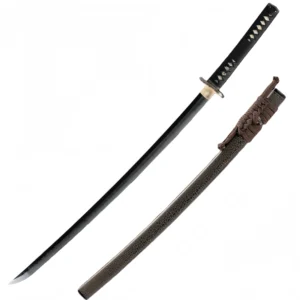
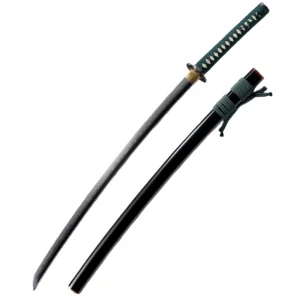
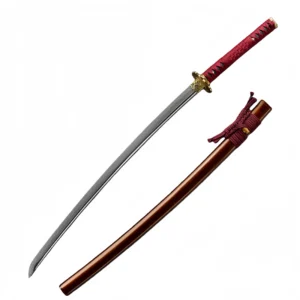
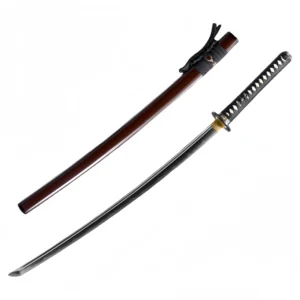
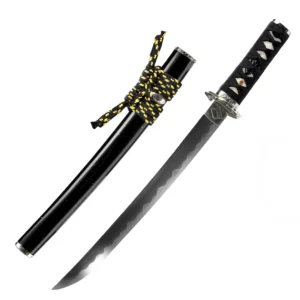
Key Features of a Quality Katana
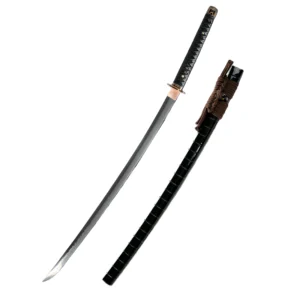
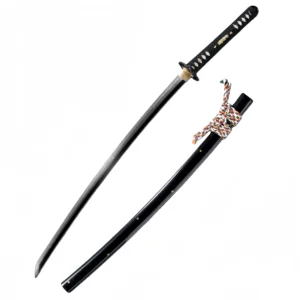
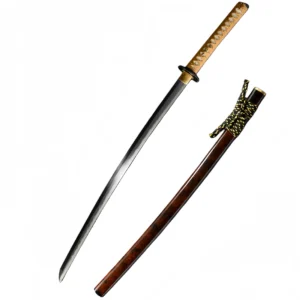
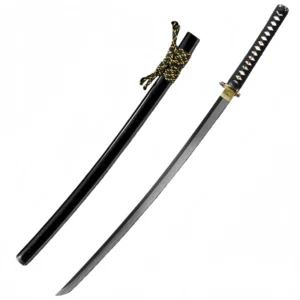
A quality katana stands out by its blade metallurgy, craftsmanship and carry-ability: high-carbon or laminated steel offers the hallmark strength and edge definition of a true Japanese sword; the curvature and geometry (often shinogi-zukuri style) support swift drawing and cutting. The tsuka (handle) is long enough for two-handed grip and often wrapped or textured for secure hold, while the tsuba (guard) balances form and functionality. Many katanas include full tang or robust tang construction and proper fittings for both display and practical use.
Choosing a Katana: What Matters
When selecting a katana, consider blade length and curve, steel quality, tang construction, fittings and scabbard type. Blade length affects carry legality and usability; steeper curvature aids quick draw. Look for high-quality steel (e.g., carbon or laminated), and ensure tang and mounting are secure. The choice of scabbard (saya) and handle wrap affects both aesthetics and function. A proper katana blends tradition with practicality, whether for martial arts, display or cutting practice.
Care, Storage & Usage Tips for Your Katana
Maintaining a katana involves clean storage, periodic inspection and proper handling. Always store the blade in its sheath with edge facing upward in a low-humidity area to avoid rust. Wipe off fingerprints, apply light oil to steel, and check fittings and mount regularly. Never draw or sheathe hastily; use controlled movement to protect edge and guard. Following these practices ensures your katana remains a striking display piece or reliable cutting tool for years.
Why Collectors and Practitioners Value a Katana
The katana is revered not just for its cutting ability but also for cultural heritage and design integrity. Each blade often reflects craftsmanship techniques passed down centuries. Collectors value the steel patterning, hamon line and traditional fittings, while martial artists appreciate balance, draw speed and two‐handed control. A well-made katana bridges art, functionality and history in a single sword.
Legal & Safety Considerations for Katana Ownership
Before buying a katana, check local laws—some regions classify long fixed-blade swords under strict regulations. Always treat your katana with respect: handle it safely, secure it when not in use, and avoid displaying or carrying it inappropriately. Use a proper stand or storage rack, and if practising cutting or martial use, ensure adequate space, training and protective gear.
Display, Practice or Use: Making the Most of Your Katana
Whether you plan to display your katana, practice iaido or tameshigiri or simply appreciate it as an heirloom, match it to your intent. For display, focus on decorative fittings and blade patina. For cutting or martial practice, choose functional steel, reliable tang and properly fitted handle and scabbard. Regularly examine edge condition, clean mounting debris, and ensure the blade remains sharp and safe to use. A katana well chosen and well maintained delivers lasting satisfaction and honour.